The Eco-Friendly Guide to Disposing and Recycling Pots and Pans
You open that bottom cupboard and there they are: the dented frying pan with the wobbly handle, the non-stick that's not-so-non-stick, and the heavy cast iron you've not used since last winter. Sound familiar? This is The Eco-Friendly Guide to Disposing and Recycling Pots and Pans you've been looking for--clear, practical, and built for real life. We'll help you do the right thing for the planet (and your cupboard), without faff or guesswork.
Truth be told, cookware feels oddly personal. It's seen our wins, our burnt bits, our late-night attempts at "something simple". So when it's time to let go, let's do it properly--reuse where we can, recycle what we can't, and keep as much as possible out of landfill. Clean, clear, calm. That's the goal.
Table of Contents
- Why This Topic Matters
- Key Benefits
- Step-by-Step Guidance
- Expert Tips
- Common Mistakes to Avoid
- Case Study or Real-World Example
- Tools, Resources & Recommendations
- Law, Compliance or Industry Standards (UK-focused)
- Checklist
- Conclusion with CTA
- FAQ
Why This Topic Matters
Pots and pans are made largely of valuable metals--aluminium, stainless steel, copper, and cast iron. These aren't junk; they're resources. Recycling metals saves huge amounts of energy compared to producing them from ore. For example, recycling aluminium saves up to 95% of the energy required for virgin production; for steel, it's typically 60-74%. Less energy means fewer emissions--and that's a real, measurable climate win you can achieve with a single cupboard clean-out.
There's another side to this. Many pans have mixed materials (metal bodies, plastic handles, glass lids, silicone trims). If we toss them all in the general waste, they're likely to end up in landfill or incineration. But if we separate and sort them, much more can be recovered. And that's where this eco-friendly guide to disposing and recycling pots and pans comes in--practical steps, not theory.
Small moment: a client told us they'd been "meaning to deal with it" for a year. They finally set a 20-minute timer, stuck on a kettle, and sorted everything while the rain hammered the windows. They felt lighter afterwards. You might, too.
Key Benefits
Choosing sustainable solutions for recycling your outdated pots and pans delivers benefits you can feel--and measure.
- CO2 reduction: Recycling metals significantly cuts greenhouse gas emissions compared to mining and smelting new materials.
- Resource recovery: Aluminium, steel, copper, and iron are highly recyclable. Proper separation boosts recovery rates.
- Cost savings or small cash-back: Scrap yards may pay for metal weight, especially copper and clean aluminium.
- Less clutter, more space: Regain cupboards and a calmer kitchen. Yes, that's eco-friendly and mentally friendly.
- Extended product lifespan: Simple repairs--tightening a handle, re-seasoning cast iron--can bring pans back from the brink.
- Community benefit: Donation to charity or reuse networks supports families, students, and shelters.
- Regulatory compliance for businesses: Meeting the Waste Hierarchy and your Duty of Care in the UK avoids compliance risks.
And there's pride in doing it right. Small actions, big signal. It adds up.
Step-by-Step Guidance
This is your practical roadmap--the eco-friendly guide to disposing and recycling pots and pans that actually works at home or for a small business.
1) Audit your cookware drawer
- Empty the cupboard or drawer. Lay items on a towel so you can see everything. It's oddly satisfying.
- Group by type: frying pans, saucepans, stock pots, lids, baking sheets, and speciality cookware (woks, Dutch ovens, pressure cookers).
- Quick test: Is the handle loose? Is the base warped? Is the non-stick scratched or flaking? Is rust present? Note the condition.
2) Decide: keep, repair, reuse, donate, recycle
- Keep: Items you use weekly and are in good condition.
- Repair: Tighten handles, replace a rivet, or re-season cast iron.
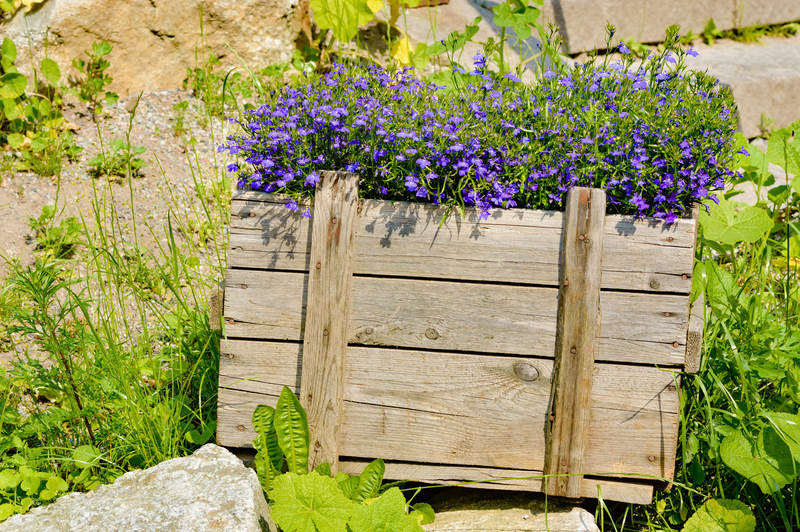
- Reuse: Upcycle as planters, utensil pots, or craft projects. A scuffed pan makes a great herb garden in a sunny window.
- Donate: Good condition items to charity shops, reuse centres, Freegle/Freecycle, or local community groups.
- Recycle: Items with damaged coatings, severe warping, or broken parts--separate materials where possible.
3) Identify the material
Knowing the metal helps determine the best recycling route and potential scrap value.
- Aluminium: Light, often slightly softer; may be labelled AL. A magnet won't stick. Common in non-stick pans.
- Stainless steel: Heavier, bright silver finish. Magnets may or may not stick depending on grade.
- Cast iron: Very heavy, dark, often with a rougher surface. Magnets stick firmly.
- Copper: Reddish-brown; sometimes with tin or stainless lining. High scrap value.
- Glass lids: Tempered glass with metal rims or knobs--handle separately.
Quick test trick: use a fridge magnet. No magnet stick? Likely aluminium (or some grades of stainless). Firm stick? Iron-based (steel or cast iron).
4) Prepare for recycling
- Clean off food residue. It doesn't need to be perfect--just remove heavy grease and scraps.
- Remove mixed materials: Unscrew plastic handles, silicone grips, and glass lids; keep metals separate. A small Phillips screwdriver and pliers go a long way.
- Sort by metal type. Keep aluminium with aluminium, steel with steel. If unsure, create a 'mixed metal' category.
- Bundle safely: Wrap sharp edges with old newspaper or cardboard. You could almost smell the cardboard dust in the air, right?
5) Choose the right outlet
- Household Waste Recycling Centre (HWRC): Most UK centres have a mixed metals bay. Staff can advise where to place glass lids and plastics.
- Kerbside recycling: Some councils accept small metal cookware; others don't. Check your local authority's A-Z of waste services.
- Scrap metal yard: For larger volumes or valuable metals (copper, clean aluminium). Bring ID; payments are cashless in the UK.
- Charity & reuse: Good condition only. Pack safely and label sizes/materials if possible. It helps.
6) Special cases
- Non-stick pans (PTFE/ceramic): Often aluminium base with a coating. Many HWRCs accept them as scrap metal once handles are removed; coatings are handled during metal processing.
- Induction-base pans: Usually aluminium with a ferrous base plate; still recyclable as mixed metals.
- Pressure cookers: Recyclable metal body; remove rubber gaskets and plastic handles first.
- Electric cookware: Electric griddles, slow cookers, or multi-cookers fall under WEEE and should go to electrical recycling, not scrap metal.
7) Document and confirm (for businesses)
If you're a caterer or hospitality venue, keep simple records: what was disposed, when, where it went, and who collected it. This supports your Waste Duty of Care under UK law.
8) Reward moment
Stand back, admire the clear cupboard. The soft click of the door closing properly again? Honestly, lovely.
Expert Tips
- Re-season cast iron before you ditch it: A 30-60 minute oven session with a thin oil layer can revive "dead" pans. It's nearly magic.
- Handle wobble fix: Most loose handles just need a tighten or a cheap replacement screw. Keep a tiny pot of spare screws in the junk drawer.
- Non-stick safety: If the coating is deeply scratched or flaking, retire it. Swallowing flakes is undesirable, and performance is done anyway.
- Batch recycling: Wait until you have a small pile. Scrap yards give better rates for larger weights, and it's a single trip.
- Weigh before you go: A bathroom scale gives a rough idea of expected scrap value--and avoids surprises.
- Keep proof of donation: For businesses, it helps with CSR reporting. For households, it's just nice to know where things went.
- Ask your council: Policies vary. Some councils accept pots and pans in kerbside bins; others send you to HWRC. A quick check avoids rejected bins.
- Test for aluminium: If in doubt, tap the rim--aluminium often has a duller, lighter ring than steel. Not scientific, but handy.
Small confession: we've kept a slightly wonky pan because it makes perfect fried eggs. To be fair, usefulness beats perfection.
Common Mistakes to Avoid
- Throwing everything in general waste. Metals are valuable. Even if the pan looks finished, it's not rubbish--it's resource.
- Forgetting to remove handles and lids. Mixed materials slow down processing and may cause rejection.
- Assuming all councils accept cookware in kerbside bins. Many don't. Check before you wheel the bin out at 6am in the drizzle.
- Missing the reuse opportunity. Good condition items can help others. Students moving into first flats will thank you.
- Ignoring safety: Sharp edges, shattered glass lids, or spring-loaded pressure cooker parts can cut or snap during handling. Gloves help.
- Scrapping copper-coated pans without checking value. Copper commands a premium. Remove non-metal parts and keep copper separate where possible.
- Mixing WEEE with standard scrap metal. Electric cookware must go to electrical recycling streams.
Yeah, we've all been there--tossing things in frustration after a long day. Deep breath. This one's worth doing right.
Case Study or Real-World Example
Scenario: A family in South London decided to refresh their kitchen after a leaky tap finally got fixed. On a grey Saturday, they laid out 14 items: 3 warped frying pans (non-stick), 2 stainless saucepans, 1 dented stock pot, 4 mismatched lids, and 4 baking trays. Kettle on, radio low.
- Keep: The 2 stainless saucepans (solid, straight, handles fine).
- Repair: Tightened a handle on one of the baking trays (easy bolt swap).
- Donate: One baking tray and a glass lid to a local reuse centre.
- Recycle: Non-stick pans (handles removed), stock pot (steel), 3 lids with metal rims, and 2 baking trays.
Outcome: The HWRC staff directed them to mixed metals for most items and a separate glass container for the tempered lids. They took the aluminium pans to a local scrap yard afterwards (a short detour) and got a modest payout. "Not loads," they said, "but enough for a bakery stop on the way home." The cupboard now closes smoothly. Less rattle, more calm.
Lesson: When you remove non-metal parts and sort by metal type, disposal is smoother, faster, and occasionally pays for a coffee or two.
Tools, Resources & Recommendations
Here's what we use and recommend for an eco-friendly approach to disposing and recycling pots and pans:
- Basic tools: Phillips and flathead screwdrivers, adjustable wrench, pliers, and a small magnet.
- Protective gear: Light work gloves, safety glasses if you're removing glass lids or stubborn screws.
- Cleaning kit: Bicarbonate of soda, mild washing-up liquid, soft scrubber. Avoid steel wool on non-stick.
- Storage & transport: Reusable crates or sturdy boxes; cardboard or old towels to separate metals and protect edges.
- Reuse routes: Local charity shops (check acceptance), community reuse centres, school or community kitchens, Freegle/Freecycle groups, neighbourhood social media groups.
- Recycling routes: Your council's Household Waste Recycling Centre, scrap metal yards with cashless payment, and council kerbside collections where allowed.
- For businesses: Waste transfer notes (digital or printed), supplier take-back schemes for bulk kitchen fit-outs, and staff training notes on the Waste Hierarchy.
Note for kitchens with higher volumes: build a simple metals-only bin in the wash-up area. Staff will use the system that's quickest. Keep it obvious and you'll see results in a week.
Law, Compliance or Industry Standards (UK-focused)
If you're in the UK, these are the big-ticket items to know. They're not scary--and they support what you're already doing.
- Waste (England and Wales) Regulations 2011: Embeds the Waste Hierarchy: prevention > preparation for reuse > recycling > other recovery > disposal. Prioritise reuse and recycling of cookware where possible.
- Duty of Care (Environmental Protection Act 1990, s.34) and Code of Practice: Businesses must ensure waste is handled safely and transferred only to authorised carriers; keep records (waste transfer notes).
- Scrap Metal Dealers Act 2013: Requires ID for sellers and bans cash payments. Expect bank transfer or cheque from legitimate yards.
- WEEE Regulations 2013 (and amendments): Applies to electrical cookware (slow cookers, electric grills). Don't mix these with standard scrap metal; use WEEE streams.
- Food Contact Materials (Regulation (EC) No 1935/2004 and UK retained law): If reselling cookware, it must be safe for food contact and in good condition; avoid donating items with flaking coatings or sharp damage.
- Workplace Health & Safety: If employees dismantle cookware (e.g., in catering), provide gloves, eye protection, and a risk assessment for handling sharp edges and glass.
In practice, following the Waste Hierarchy and keeping records for business waste puts you on the right side of compliance--and the right side of the planet.
Checklist
Print or screenshot this. It's the eco-friendly guide to disposing and recycling pots and pans distilled into action:
- Empty the cupboard and sort by type and condition.
- Decide: keep, repair, reuse, donate, recycle.
- Identify material (aluminium, stainless, cast iron, copper, glass).
- Remove handles, knobs, and non-metal parts.
- Clean off heavy residue; keep metals dry.
- Bundle safely; protect sharp edges.
- Check council rules for kerbside vs HWRC.
- For valuable metals, consider a scrap yard visit.
- Record donations or recycling (businesses especially).
- Enjoy the clear space. Make tea. Breathe.
Conclusion with CTA
Let's face it--kitchens collect history. But when the time comes, taking a mindful, eco-friendly approach to disposing and recycling pots and pans isn't just good housekeeping. It's resource recovery, carbon saving, and a small but solid act of climate care. You'll help your local recycling system, maybe help a neighbour, and definitely help your cupboards.
So, next rainy afternoon, put on a playlist and give it 20 minutes. You'll be surprised how much lighter the kitchen feels. You might even rediscover the pan you actually love cooking with.
Get a free quote today and see how much you can save.
And if you do only one thing? Remove those plastic handles before you recycle. Tiny step, big difference. You've got this.
FAQ
Can I put pots and pans in my kerbside recycling bin?
It depends on your council. Some UK councils accept small metal items including cookware in kerbside recycling, but many direct them to Household Waste Recycling Centres (HWRCs). Check your council's waste A-Z. If kerbside is allowed, remove handles and non-metal parts first.
How do I recycle non-stick pans with scratched or flaking coating?
Most non-stick pans have an aluminium base and can be recycled as metal once handles are removed. The coating (PTFE or ceramic) is typically managed during metal processing. If your council won't take them kerbside, bring them to the HWRC metal bay.
Is cast iron recyclable? Or should I re-season it?
Both options are good. Cast iron is highly recyclable and valuable in the metal stream. But often it's worth re-seasoning--clean, dry, lightly oil, and bake it to restore non-stick performance. If it's cracked or truly beyond use, recycle it as scrap iron/steel.
What about copper pans--are they worth more at the scrap yard?
Yes, copper has a higher scrap value. If your pans are solid copper or have substantial copper content, remove non-metal parts and take them to a reputable scrap yard (bring ID; payment is cashless). Expect more value than standard steel or aluminium, though still modest for small items.
Do charity shops accept used pots and pans?
Many do, provided items are clean, safe for food contact, and in good condition (no flaking coatings, severe warping, or missing handles). Phone ahead--policies vary by shop. Reuse centres and community groups are also excellent options.
Are old pans with glass lids recyclable?
Yes, but separate parts. Recycle the metal components in the mixed metals bay. Tempered glass lids often have separate containers at HWRCs; they're not the same as bottle glass, so don't place them in standard glass bottle banks unless specifically allowed.
Can I repair a loose handle, or is it time to recycle?
If it's a simple screw or bolt, repair it--fast and cheap. If the rivet has failed or the pan base is warped, recycling is the better option. Safety first: a wobbly handle over boiling pasta is not worth the risk.
Are non-stick coatings dangerous when they start to peel?
Peeling non-stick is more about poor performance and potential flake ingestion than acute toxicity in typical use. If a coating is flaking, retire the pan and recycle the metal. For future purchases, choose quality coatings and avoid metal utensils on non-stick surfaces.
How do I tell if a pan is aluminium or stainless steel?
Use a magnet. If it sticks firmly, it's likely steel (or iron). If it doesn't, you might have aluminium or a non-magnetic stainless grade. Aluminium is lighter with a duller ring when tapped; stainless is denser and often brighter.
Can I put electric cookware (like an electric griddle) with metal recycling?
No. Electric cookware falls under WEEE (Waste Electrical and Electronic Equipment) and should go to electrical recycling points at HWRCs or via retailer take-back schemes. Don't mix WEEE with standard scrap metal.
What's the eco-friendliest choice: donate, recycle, or upcycle?
Follow the Waste Hierarchy: reuse (donate) first if the item is safe and functional; recycle metal when reuse isn't appropriate; upcycle where it genuinely serves a purpose (planters, storage). Disposal to general waste is the last resort.
Do I get paid for scrap metal from old pots and pans?
Possibly, but expect small amounts for typical household quantities. Copper and clean aluminium fetch higher rates than steel. Bring ID to comply with the Scrap Metal Dealers Act 2013; payment will be by bank transfer or cheque, not cash.
Can restaurants and caterers recycle cookware easily?
Yes. Set up a dedicated metals container in the kitchen or back-of-house, separate non-metal parts, and arrange periodic collections with a licensed waste carrier or deliver to a scrap yard. Keep waste transfer notes for compliance.
Is ceramic-coated cookware recyclable?
Usually the base is aluminium or steel and can be recycled as metal once non-metal parts are removed. The ceramic coating is handled in metal processing. Check your council's guidance and use the HWRC if kerbside won't accept it.
What if my council refuses pots and pans at kerbside?
No problem--use your local HWRC's mixed metals bay. Alternatively, take a batch to a licensed scrap yard. For good condition items, donate locally; you might make someone's day.
I'm worried about safety when dismantling lids and handles. Any tips?
Wear light gloves, use a suitable screwdriver, and work on a flat, stable surface. For glass lids, place a towel underneath and avoid heavy pressure near edges. Eye protection is sensible if a screw is stuck or corroded.
Is it ever okay to put cookware in general waste?
Only as a last resort. Most metal cookware can be recycled. If a piece is heavily contaminated with non-recyclable material that can't be removed safely, consult your council or use HWRC staff guidance.
Will recycling centres take greasy or burnt pans?
Yes, but give them a quick clean to remove heavy food residues and oil. They don't need to be spotless--just free of major contamination. Burn marks aren't a problem for metal recycling.
How do I responsibly dispose of pressure cooker parts, like rubber gaskets?
Recycle the metal body as scrap metal after removing non-metal parts. Rubber gaskets and plastic handles usually go in general waste unless your council offers a specific stream. Check local guidance.
Any quick upcycling ideas for sentimental pans?
Absolutely: herb planter on the windowsill, fruit bowl for the kitchen table, wall-mounted storage for utensils, or a whimsical bird bath in the garden (weight it safely). It keeps the memory, without the clutter.
It was raining hard outside that day when we finished our own kitchen clear-out. You could hear the patter on the panes, a quiet drum. Funny how a tidy cupboard makes the whole house feel brighter.