Hazardous household waste in Wallington: safe disposal steps
If you've got old paint tins in the shed, a leaking battery in a drawer, or a half-used bottle of strong cleaner under the sink, you're not alone. Most homes end up with a little pile of risky waste over time, and it's often the sort of thing people mean to deal with "next weekend" until, well, it starts smelling odd or taking up space. This guide to Hazardous household waste in Wallington: safe disposal steps explains what counts as hazardous, how to handle it safely, and the smartest way to get it out of your home without making a simple job more complicated than it needs to be.
You'll also find practical tips for storing items, common mistakes to avoid, and a few local-minded pointers that can help you plan the disposal properly. If you're already arranging other waste services, you may also find it useful to look at related support such as house clearance in Wallington, rubbish removal in Wallington, and office clearance services where mixed items or larger clear-outs are involved.
Table of Contents
- Why Hazardous household waste in Wallington: safe disposal steps Matters
- How Hazardous household waste in Wallington: safe disposal steps Works
- Key Benefits and Practical Advantages
- Who This Is For and When It Makes Sense
- Step-by-Step Guidance
- Expert Tips for Better Results
- Common Mistakes to Avoid
- Tools, Resources and Recommendations
- Law, Compliance, Standards, or Best Practice
- Options, Methods, or Comparison Table
- Case Study or Real-World Example
- Practical Checklist
- Conclusion
- Frequently Asked Questions
Why Hazardous household waste in Wallington: safe disposal steps Matters
Hazardous household waste is any domestic item that can harm people, property, or the environment if it's handled the wrong way. That might sound dramatic, but in everyday life it often means fairly ordinary things: leftover paint, aerosols, pesticides, bleach, medicines, solvents, batteries, fluorescent tubes, adhesives, engine oil, and some electrical items. The danger isn't always obvious. A sealed tin in a cupboard may seem harmless, but a leaking container, mixed chemicals, or a punctured battery can become a real issue quickly.
In a place like Wallington, where homes range from flats with limited storage to larger family properties with garages and sheds, this waste can build up quietly. One drawer, one cupboard, one cardboard box in the corner, and suddenly you've got a mix of things that should never be thrown together. Truth be told, people often only realise the risk when there's a spill, a smell, or a close call while tidying. That's exactly why a simple, calm disposal plan matters.
There's also the broader point: if hazardous waste is disposed of badly, it can contaminate other rubbish, increase fire risk, or make collection more difficult for waste handlers. A cracked battery in with general waste is the sort of tiny mistake that creates far more hassle than anyone expects. So the goal here is not panic. It's control. A bit of care up front saves a lot of faffing about later.
How Hazardous household waste in Wallington: safe disposal steps Works
The process is simpler than most people think, but it does need a bit of method. Safe disposal usually follows the same basic pattern: identify the item, separate it from regular waste, keep it in a safe condition, and take it to the right disposal route. That route could be a local household waste facility, a special collection service, or a licensed waste contractor, depending on the item and the quantity.
What makes hazardous waste "work" differently from normal rubbish is the handling. You don't just chuck it into a bin bag and hope for the best. Some items need to stay in their original container. Others need to be taped, sealed, or stored upright. Some should never be mixed, even if they seem similar. For example, cleaning chemicals and paints are both household products, but they are not the same kind of waste and shouldn't be treated casually.
If you're already managing a bigger clear-out, a coordinated approach helps. Many households also bundle this process with furniture disposal in Wallington or property clearance support, which makes sense when the house is being emptied room by room. The key is to separate risky items early, before they get mixed into other bags or moved around multiple times. Once they're mixed, the job gets messier. Fast.
Key Benefits and Practical Advantages
Doing hazardous waste disposal properly brings a few obvious benefits, and a few that only show up when something goes wrong. The obvious one is safety. You reduce the chance of leaks, burns, fumes, cuts, or accidental contact with substances that should not be handled without care. The less obvious one is peace of mind. There's something oddly satisfying about looking under the sink and knowing everything there is sorted, labelled, and no longer a mystery.
There's also the space benefit. One tidy disposal session can clear out half-forgotten corners in a home, shed, or utility room. That can be especially helpful if you're preparing for a move, a renovation, or a declutter. And if the waste is being dealt with through a proper route, you're also less likely to create extra contamination in other bins. That matters more than people think, especially where mixed waste can complicate collection or increase costs later on.
Here's a quick practical summary:
Expert summary: The safest approach is to identify hazardous items early, keep them separate, store them securely, and use the correct disposal route rather than mixing them with general household rubbish. Simple, but effective.
Who This Is For and When It Makes Sense
This guide is for homeowners, tenants, landlords, letting agents, and anyone sorting through a home in Wallington that contains risky household items. It's also useful for people handling a garage, loft, cellar, shed, or a recently vacated property. If you've inherited a house, are clearing after a long tenancy, or are simply tackling years of accumulated stuff, hazardous waste is one of the categories that deserves attention early.
It makes sense to act when you notice any of the following:
- old paint tins, solvents, or varnish that you no longer need
- used batteries, including rechargeable batteries and power tool batteries
- unwanted medicines or sharps that should not go into ordinary bins
- aerosols, gas canisters, or pressurised containers
- cleaners with warning symbols or strong chemical smells
- fluorescent tubes or compact lamps that can break easily
- motor oil, antifreeze, or similar workshop liquids
Sometimes the issue is small. A single leaking bottle. A box of old garden chemicals. Other times, it's part of a bigger job, like moving out of a flat where items have gathered in cupboards for years. If that sounds familiar, you're not being careless; you're just dealing with real life. And yes, real life leaves a trail.
Step-by-Step Guidance
Below is the practical bit. Keep it simple, and don't rush the sorting stage. That's usually where problems start.
1. Identify what you have
Go room by room and look for items that may be hazardous. Check labels, warning symbols, lids, leaks, odours, and container condition. If something is sealed and clearly labelled, leave it sealed until you know the right disposal route. If the label is damaged, treat the item more cautiously.
2. Separate hazardous items from general waste
Put risky items in a dedicated box or tray away from normal rubbish, recycling, and food waste. Keep chemicals apart from batteries, and batteries apart from anything metal or flammable. This sounds obvious, but in a busy house it's easy to accidentally tip three separate categories into one bag. Happens more than you'd think.
3. Keep containers upright and stable
Store liquids upright in a cool, dry place where they won't tip over. If a lid is loose, tighten it carefully. Don't over-handle damaged containers. If there's a spill, avoid spreading it with paper towels unless you know the product is safe to absorb that way. Some substances should be left alone until they can be handled properly.
4. Do not mix chemicals
This is one of the most important points. Different products can react if combined, even if they seem to do similar jobs. Bleach, solvents, drain cleaners, and paint products are not a friendly cocktail. Never pour leftovers together "to save space." That is the sort of shortcut that can turn a tidy task into a dangerous one very quickly.
5. Check whether an item needs special handling
Some things need extra care: batteries should usually have terminals protected, sharp items should be contained securely, and fragile lamps or tubes should be wrapped to reduce breakage. Medicines and sharps should follow their own route, and broken or leaking items may need immediate attention rather than storage.
6. Find the correct disposal route
For many households, the best route is a designated collection or a licensed waste service that handles hazardous materials properly. If you are arranging a wider clearance, ask in advance whether hazardous items are accepted and what condition they must be in. If you need broader help with contents removal, a service such as deceased estate clearance in Wallington can be relevant where homes include mixed and sensitive items.
7. Hand over items safely
When it's time to dispose of them, keep items secure and avoid transferring liquids between containers. Carry them in a box or tray to reduce spills. If possible, deliver them directly without leaving them in hot cars or damp outdoor areas. Little details, but they matter.
8. Clean the storage area
Once the waste is gone, wipe down shelves, check for residue, and make sure no small items have rolled behind cupboards. You'd be surprised how often a battery or cap slips behind something and gets rediscovered weeks later. Not ideal.
Expert Tips for Better Results
A few practical habits make hazardous waste disposal much smoother.
- Use a "quarantine box": Keep one clearly marked box in a utility room or cupboard for items you are not ready to dispose of yet.
- Sort as you go: When you buy a new product, note where it should go once empty or obsolete. It saves time later.
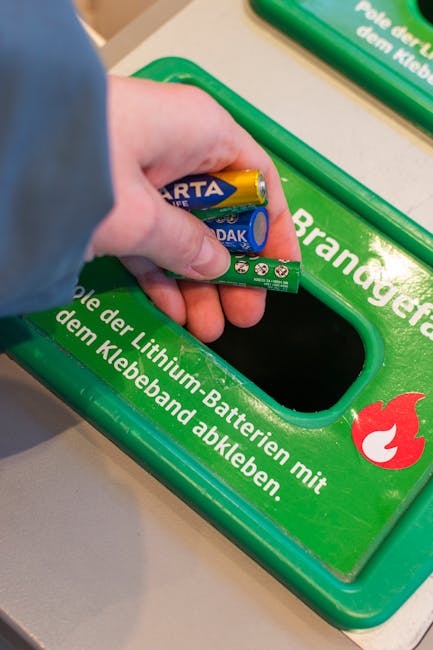
- Keep batteries separate: Tape terminals if appropriate and store them away from coins, keys, or other metal objects.
- Don't trust old labels alone: A product can be older than the label style suggests. If in doubt, handle cautiously.
- Work in daylight if you can: This sounds minor, but bright light makes it easier to spot leaks, rust, and damaged caps.
- Plan one category at a time: Paints first, then cleaners, then batteries. It's less overwhelming and reduces mistakes.
One small real-world observation: people are usually most careful with the big obvious items and least careful with the tiny ones. It's often the tiny ones that cause the annoyance. A leaking AA battery or a cracked aerosol can does more damage to the mood than a large sealed tin ever will.
Common Mistakes to Avoid
Hazardous waste disposal rarely goes wrong because someone had a terrible plan. It usually goes wrong because they were in a hurry, or because the items looked harmless enough. A classic example is moving everything into one bin bag "just for now." That's how batteries end up beside wet paint or cleaning fluid.
Other common mistakes include:
- pouring leftover liquids down the sink or drain without checking suitability
- mixing different chemical products together
- putting batteries into loose drawers where terminals can touch metal
- breaking fluorescent tubes or lamps without proper wrapping
- storing items in hot sheds or damp corners where containers deteriorate
- throwing medicines, sharps, or chemical containers into ordinary waste
Another one, and this is a sneaky one, is assuming all empty containers are safe to throw away. Sometimes "empty" still means residue, pressure, or contamination. A can that sounds empty when shaken may still contain enough vapour to matter. So, check carefully and don't guess.
Tools, Resources and Recommendations
You don't need specialist equipment for most household jobs, but a few simple tools make the process safer and cleaner.
| Item | Why it helps | Best use |
|---|---|---|
| Sturdy cardboard box | Keeps items grouped and upright | Transporting sealed containers, batteries, and small items |
| Permanent marker | Helps label categories clearly | Marking a box as "batteries," "paint," or "chemicals" |
| Strong tape | Secures lids or battery terminals when suitable | Preventing movement or accidental contact |
| Disposable gloves | Protects hands from residue or grime | Handling dusty tins, dirty packaging, or leak-prone items |
| Tray or shallow tub | Reduces spill risk during movement | Carrying liquids or fragile containers |
Recommendations are fairly straightforward. Keep products in their original containers where possible. Don't strip labels off unless the item is being repackaged for a legitimate reason and you're sure that's appropriate. If you're dealing with a larger household clearance, ask whether the service can separate and manage hazardous items instead of assuming it will happen automatically. That little question can save you a headache.
If the job overlaps with a broader residential clearance, you might also explore services such as home clearance in Wallington or flat clearance so that the hazardous items are isolated before the main removal starts.
Law, Compliance, Standards, or Best Practice
Hazardous household waste needs to be managed with care under normal UK waste-handling expectations, and householders should use the correct route rather than putting risky items into general rubbish or recycling. The precise rules can vary depending on the item, the collection method, and the service provider involved. That's why it's wise to rely on current local instructions and a licensed waste route rather than guesswork.
From a best-practice point of view, the principles are consistent: don't mix incompatible substances, don't create a spill risk, store items safely before disposal, and use a service that is permitted to handle the waste type. If a collection provider gives instructions about packaging, quantities, or separating categories, follow them carefully. It may feel a bit fussy, but they're usually doing that for safety reasons, not to make your day awkward.
For landlords, agents, and anyone clearing a property on behalf of someone else, there is an extra duty of common sense. Make sure items are identified rather than assumed. A box of old household products may include a mix of harmless and hazardous material, and it's the mix that often creates the issue. Best practice is not glamorous. It's just careful.
Options, Methods, or Comparison Table
There are a few different ways to manage hazardous household waste. The right choice depends on the item, the amount, and how urgent it is.
| Method | Best for | Pros | Watch-outs |
|---|---|---|---|
| Hold and sort at home | Small quantities while you prepare | Cheap, flexible, lets you separate items properly | Needs safe storage and patience |
| Special collection or hazardous waste service | Items that need licensed handling | Convenient, safer for difficult materials | May need booking, access, or packaging rules |
| Part of a full house clearance | Large clear-outs with mixed contents | Saves time, good for complete property jobs | Hazardous items must be identified in advance |
| Drop-off at an approved facility | Households with transport and small volumes | Direct, often straightforward | Check acceptance criteria before you travel |
For many Wallington households, the most practical route is a combination: separate everything at home, then decide whether a specialist collection or a larger clearance is the cleanest next step. If the property is full of mixed items, garage clearance in Wallington can be a sensible way to uncover hidden hazardous waste before it gets forgotten again.
Case Study or Real-World Example
Here's a realistic example. A family in Wallington was preparing to clear a loft before a loft insulation job. They found old tins of paint, a box of mixed batteries, a few aerosol sprays, and a half-broken fluorescent tube wrapped in newspaper from years ago. None of it was dramatic on its own, but together it was enough to make the loft awkward to clear safely.
They started by sorting the items into categories: sealed paint, damaged containers, batteries, and fragile lighting items. The batteries were kept separate and taped where appropriate. The aerosols were left untouched and placed upright in a stable box. The fluorescent tube was wrapped more securely to prevent breakage. The family then arranged removal as part of a broader clearance rather than trying to force everything into ordinary rubbish bags.
The whole process was calmer because they did the boring bit first. Identifying, separating, and keeping things stable made the handover much smoother. No drama, no last-minute panic, and no mystery leaks on the floorboards. That's usually how good waste handling looks in real life: a little unexciting, but very effective.
Practical Checklist
Use this checklist before you dispose of hazardous household waste in Wallington.
- Identify all risky items in cupboards, sheds, lofts, and garages
- Separate hazardous waste from general rubbish and recycling
- Keep liquids upright and containers sealed if safe to do so
- Do not mix chemicals or decant products unless instructed
- Check batteries, aerosols, paints, cleaners, and medicines individually
- Store fragile items such as tubes and lamps carefully
- Label boxes clearly so nobody else moves them by mistake
- Confirm the correct disposal route before travelling or booking a collection
- Keep children and pets away from the storage area
- Clean the storage area after removal and check for leftovers
If you tick most of those boxes, you're already in good shape. It doesn't need to be complicated.
Conclusion
Handling hazardous household waste properly is one of those tasks that feels small until it suddenly matters. A bit of sorting, a bit of care, and the right disposal route can prevent spills, confusion, and unnecessary risk. For households in Wallington, the safest approach is simple: identify the items, separate them early, keep them stable, and use the right service or collection method for the job.
If you're planning a wider clear-out, or you've found more risky items than expected, it's usually worth stepping back and letting the disposal plan lead the rest of the job. That way the house gets safer, tidier, and much easier to deal with. And honestly, there's a quiet relief in that. One less thing tucked away under the sink, one less mystery box in the shed.
Get a free quote today and see how much you can save.
When you're ready, start with the hazardous items first. The rest gets easier after that, and the place feels lighter almost immediately.
Frequently Asked Questions
What counts as hazardous household waste?
It usually includes items that can be harmful because of their chemical content, pressure, sharp parts, or contamination risk. Common examples are paints, solvents, batteries, aerosols, cleaning chemicals, pesticides, some medicines, and certain light bulbs. If an item has warning symbols, strong fumes, or can leak, it deserves careful handling.
Can I put hazardous household waste in my regular bin?
Usually no. General household bins are not the right place for risky materials, especially liquids, batteries, chemicals, or pressurised containers. Mixing them with normal waste can create safety issues for collectors and may also lead to contamination or disposal problems later.
Do I need to keep items in their original containers?
Yes, where possible. Original containers keep labels, instructions, and product identity intact, which helps with safe handling. If a container is damaged, keep it upright and separate from other items until it can be dealt with properly.
What should I do with old paint tins?
Keep them sealed if safe, store them upright, and do not pour leftover paint down a drain or mix it with other products. Even "empty" tins can still contain residue, so they should be treated with care until you know the correct disposal route.
Are batteries really hazardous if they look harmless?
Yes. Batteries can leak, overheat, or short-circuit if stored carelessly. They should be kept separate from metal objects and other waste. Small batteries can be particularly sneaky because they look ordinary, but they still need proper handling.
What is the safest way to store hazardous waste at home before disposal?
Use a cool, dry, stable place away from children and pets. Keep liquids upright, group similar items together, and avoid stacking fragile or leaking containers. A dedicated box or tray is often enough for small household quantities.
Can I mix different cleaning products together to save space?
No, that is not safe. Different chemicals can react in unpredictable ways, even when they seem similar. Never combine cleaners, solvents, bleach, drain products, or leftover chemicals in the same container.
What if I find broken fluorescent tubes or lamps?
Handle them carefully, avoid direct contact with broken fragments, and keep the remains contained so they do not spread. These items are fragile and should not be thrown loosely into general waste. If you're unsure, use a safer disposal route rather than guessing.
Is hazardous waste disposal expensive?
The cost depends on the method, the quantity, and whether the items need a special collection or are part of a wider clearance. It's best not to assume one flat price. Ask what is included, what categories are accepted, and whether separate handling applies to certain items.
Can hazardous household waste be collected as part of a house clearance?
Often yes, but it should be confirmed in advance. Hazardous items are not always included automatically, and some services need them separated or declared before collection. If you're doing a larger clear-out, mention these items early so nothing gets missed.
What should landlords or agents do with hazardous waste left in a property?
They should identify it carefully, avoid mixing it with other rubbish, and arrange the correct disposal route. In a vacated property, old cleaning products, paint, batteries, and medicines are common surprises, so a room-by-room check is wise.
How do I know if something is safe to throw away with ordinary rubbish?
If there's any doubt, treat it cautiously and check the label, condition, and contents first. Warning symbols, pressure, strong odour, visible residue, or leakage are all signs it should not go straight into normal waste. When in doubt, separate it and get proper guidance.